Wait, There's an Expiration Date!?
Most basically, film is a base (commonly polyester or acetate) with a
light-sensitive emulsion coating on one side. There are many different size formats and emulsion types.
Differences in emulsions is what you're seeing with all the various products like Kodak Ektachrome
or Ilford HP5+ (as differences in the base material is inconsequential in most cases).
I'll come back to those different emulsions in a bit, but first, let's talk about what it means for film to
expire. Over time, the emulsion will decrease in light sensitivity, there will be loss
of contrast, colors will shift (for color film), and grain will be more prominent. This doesn't
happen all at once on the expiration date, and not all film types will be affected uniformly. Storing in a
refrigerator can delay the rate of degradation, but the film will keep steadily getting worse over time,
no matter what.
Most film falls into one of these three categories: black and white negative,
color negative, and color reversal (or slide) film. How quickly expiration affects these types is typically
in that order: black and white will generally go the longest after expiration without seeing much loss in
sensitivity, color negative film will see sensitivity loss more quickly and eventually colors will get
all wonky, and slide film will get hit the worst with the most noticable effects, often losing those
rich black levels and color saturation pretty quickly. Slide film has a narrow exposure latitude and is
pretty unforgiving, even when fresh, so it can be really challenging to shoot after expiration. Personally,
I wouldn't shoot anything critical on expired slide film.
So, What Can I Do About It?
As mentioned earlier, storing in a fridge can slow the expiration process (remember
to take it out and let the film acclimate for a while before shooting, in order to avoid moisture). Let's
talk about how to shoot expired film to compensate for the degradation. Primarily, it's the
lower light sensitivity that we'll address. Unfortunately, there's not a sure-fire formula, but
a good starting point is to meter one stop below the stated box speed of the film, per decade expired
(e.g. a roll of Kodacolor 200 that expired 20 years ago should be shot at ISO 50). However, you may not
know the expiration date of a given roll. In that case, first do some research on the film stock to see
when it was last produced, or if it's an older roll of something still being made, see if the logo has
changed over the years and try to get a rough date that way. The best case scenario is if you have
multiple rolls from the same batch, then you can shoot a test roll to help you determine how to shoot
the rest. Either way, it'll be a good idea to
bracket your
exposures and take notes.
If you're doing your own development (or using a lab that has the options to do
so), you have a few other ways to deal with this. You can can
push process
the film. By how much will take some experimentation, and keep in mind that the results will differ from
those if the film was shot at a lower ISO and then processed normally (it'll be even grainier, but you
may recover some of the contrast). For black and white, or
color film
developed in black and white chemicals, you can do a
stand development, which is perfect for when you're not sure of a film's ISO rating.
Expect the Unexpected
No matter what measures you take, expired film will always present a level of
unpredictability. You can never be quite certain how it's going to turn out, but really that's part of
the fun. As long as you're comfortable with this aspect of randomness, I would really encourage you to
play around with some expired film. You might get some unexpectedly delightful results!
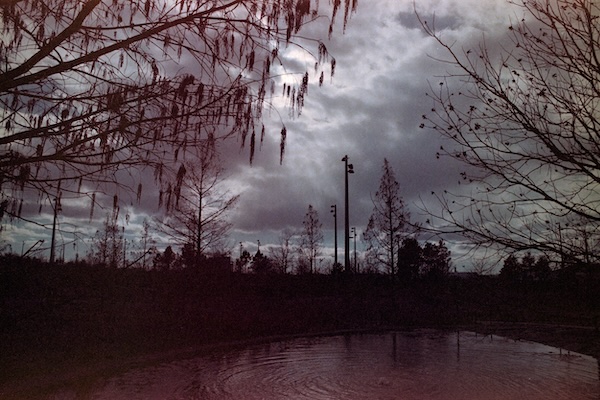
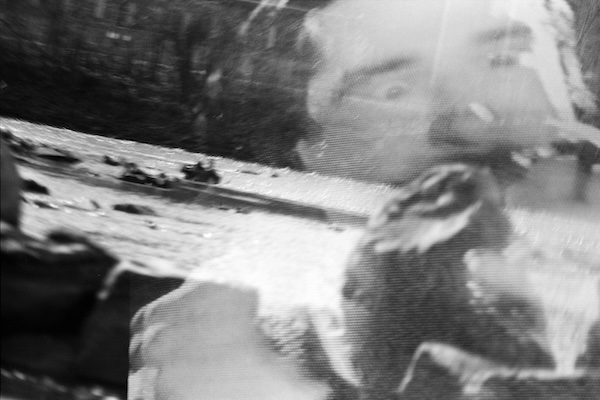
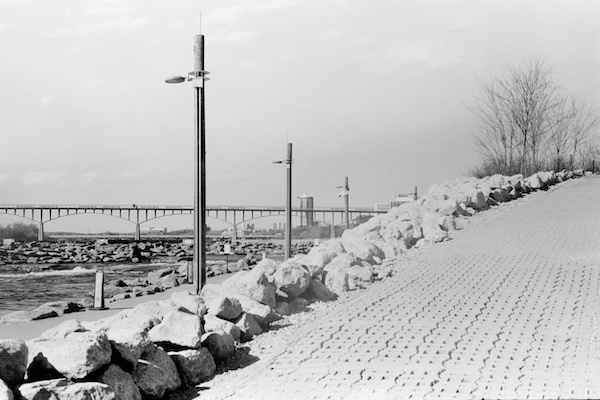
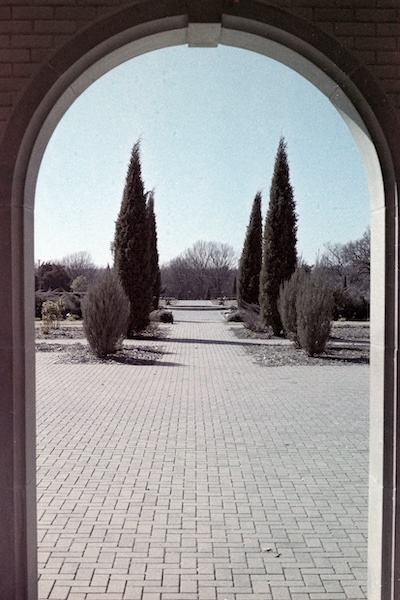
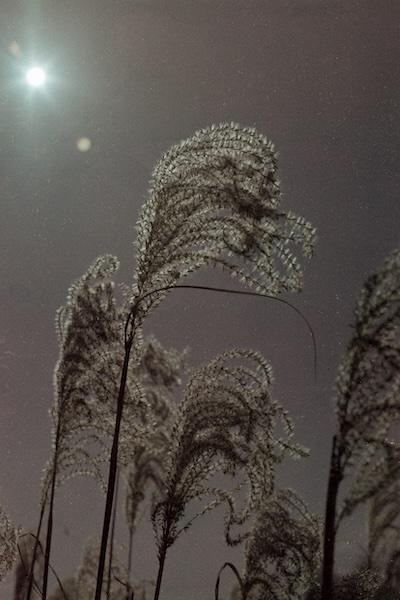
Let me show off a few recent shots taken on expired film:
Kodacolor VR 200, expired circa 1986, shot at ISO 50


TMax 100, unknown expiration, shot at ISO 12
Kodak Gold 200, expired 2010, shot at ISO 64
← back